Attraction
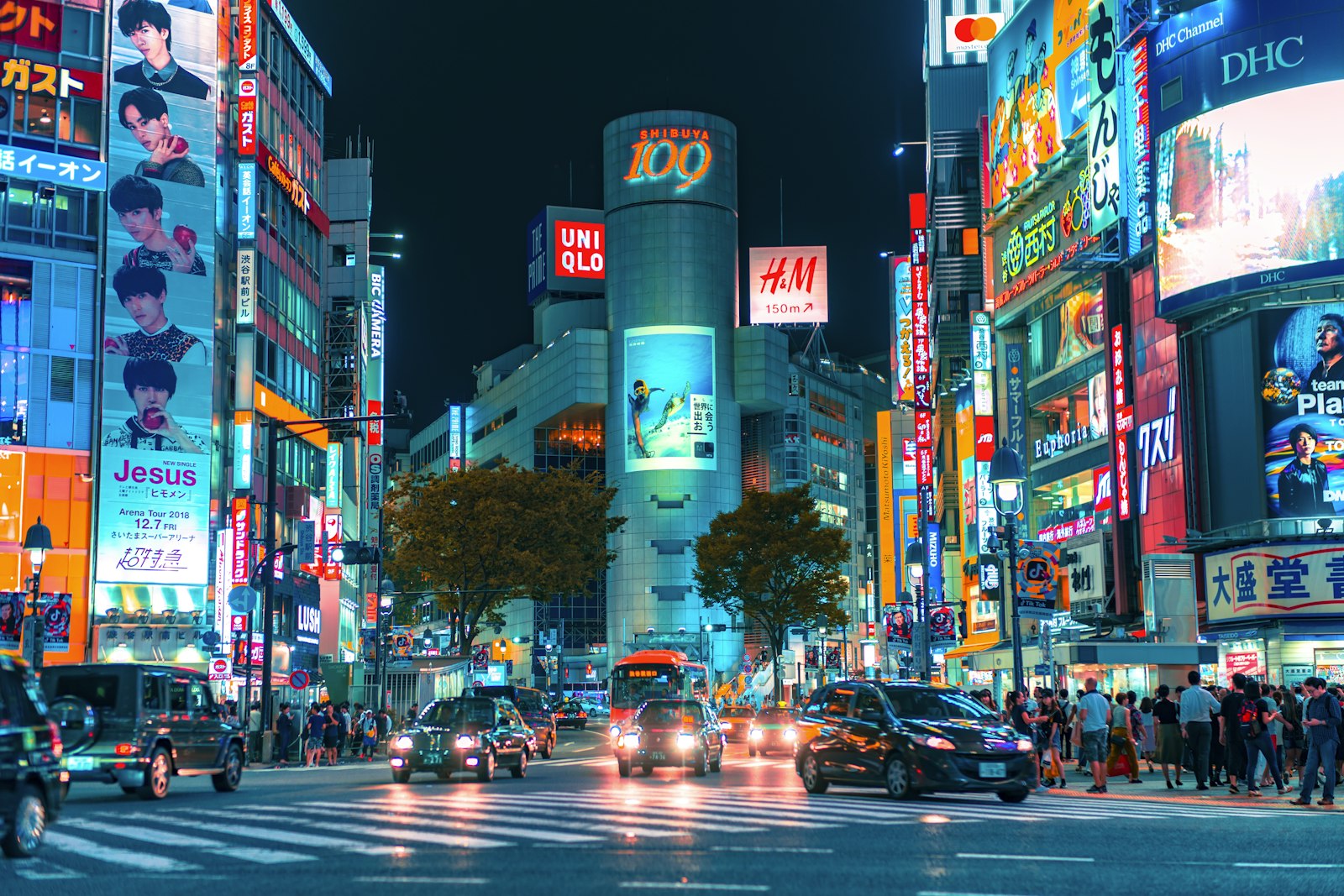
Shibuya Crossing
One of Tokyo's busiest pedestrian scrambles outside Shibuya Station, where large crowds cross from multiple directions when signals change. It is a free public …
Japan
Neon districts, quiet shrines, and world-class transit
Tokyo blends dense urban neighborhoods with pockets of tradition—temples, gardens, and low-key residential streets sit minutes from major rail hubs. Most visitors spend their days moving between distinct districts rather than ticking off a single city center.
Verify before you go: Confirm hours and fares with official sources.
Spring (March–May) and autumn (September–November) offer mild weather and strong scenery. Summer is hot and humid; winter is cold but clear, with fewer crowds. Check Japan Meteorological Agency forecasts before packing.
First-time visitors: 4–5 days for major districts plus one day trip. Repeat visitors often add themed neighborhoods or nearby prefectures.
Suica or Pasmo IC cards work across most trains, subways, and many buses—tap in and out at gates. JR Yamanote Line loops major hubs; Tokyo Metro and Toei Subway fill gaps. Google Maps and Japan Transit Planner are reliable for routing. Taxis are safe but expensive; use for late night or luggage-heavy transfers. Walking is often faster than expected within a district.
Within districts, yes—stations are often 10–20 minutes apart on foot. Cross-city travel relies on rail; walking between Shinjuku and Asakusa all day is impractical.
No for major tourist areas—signage and menus often include English or pictures. Learning basic phrases helps at smaller shops and shows courtesy.
Haneda is closer to central Tokyo; Narita is farther but well served by express trains. Compare total door-to-door time and fare on official airport rail sites before booking.
Plan Tokyo
Attraction
One of Tokyo's busiest pedestrian scrambles outside Shibuya Station, where large crowds cross from multiple directions when signals change. It is a free public …
Attraction
Tokyo's oldest Buddhist temple in Asakusa, approached through Nakamise shopping street leading to the Kaminarimon thunder gate. Active worship continues alongsi…

Attraction
Meiji Shrine is a high-value stop for most Tokyo itineraries. Pair it with nearby neighborhoods and confirm tickets or entry rules on official channels before y…
Guide
Season-by-season guidance for Tokyo weather, crowds, festivals, and packing—without relying on fixed event dates that change yearly.
Itinerary
A zone-based three-day Tokyo plan linking rail-efficient neighborhoods without unrealistic cross-city sprinting.

Transportation
Compare Narita and Haneda rail and bus links to central Tokyo using official operator routes—no fare numbers that change.