Attraction
Fushimi Inari Taisha
Fushimi Inari Taisha is a high-value stop for most Kyoto itineraries. Pair it with nearby neighborhoods and confirm tickets or entry rules on official channels …
Japan
Temples, gardens, and preserved streetscapes
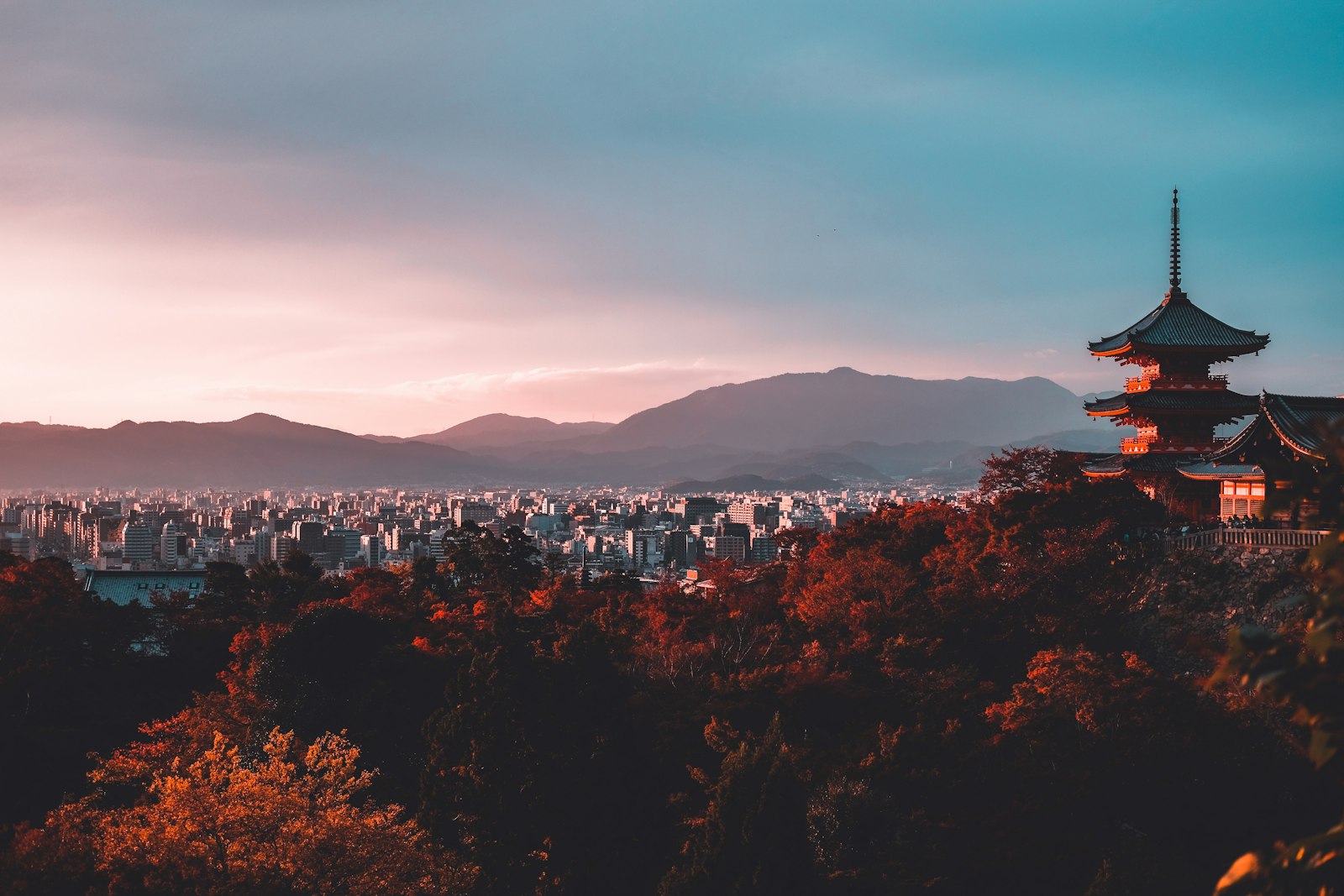
Kyoto was Japan's imperial capital for over a millennium and retains concentrated cultural sites—shrines, zen gardens, and wooden townhouses—spread across valleys and hills. Expect bus-heavy routing plus selective train use; mornings are best for popular temple paths.
Verify before you go: Confirm hours and fares with official sources.
Late March–April and mid-November peak for blossoms and fall color—book lodging early. June rainy season brings lush greenery; summer is hot; winter is cold but quieter at major sites.
3–4 days for east and west Kyoto highlights. Add a day for Arashiyama, Fushimi, or a Nara side trip.
Kyoto City Bus covers many sights but can be slow in traffic; all-day bus passes may help—verify current pass types on Kyoto City Bus official site. Subway is fast for north–south segments. Rental bicycles work in flat areas but hills and summer heat limit comfort. Taxis help for evening returns from distant temples.
Yes—trains take roughly 30–60 minutes depending on station pair. You will sacrifice early-morning quiet at top sites unless you leave very early.
Many combine both: Tokyo for scale and transit, Kyoto for temples and gardens. Neither replaces the other.
Route numbers and stop announcements help, but rush-hour traffic frustrates schedules. Use subway where it aligns with your route and buses elsewhere.
Plan Kyoto
Attraction
Fushimi Inari Taisha is a high-value stop for most Kyoto itineraries. Pair it with nearby neighborhoods and confirm tickets or entry rules on official channels …

Attraction
Arashiyama Bamboo Grove is a high-value stop for most Kyoto itineraries. Pair it with nearby neighborhoods and confirm tickets or entry rules on official channe…
Guide
Season-by-season planning for Kyoto: crowds, weather patterns, and how to choose travel months without relying on fragile event dates.
Itinerary
A paced three-day framework for Kyoto: district clustering, rest blocks, and links to attractions and food stops.
Transportation
How to move from the main airport(s) into Kyoto: rail, bus, and taxi patterns—with official sources to verify current fares.
Food
What to eat in Kyoto and how to plan meals around sightseeing—without invented restaurant rankings or prices.