
Nagoya sits on the shinkansen line between Tokyo and Kyoto, which is exactly why most first-time visitors pass through it rather than stop. The city is worth one full day, and it is worth it for a specific reason: it does a small number of things better than the bigger names on either side of it, and it does them without a crowd.
It is not a smaller Osaka. The night is quieter, the food has a stronger identity of its own, and the sights are spread across the centre instead of stacked in one district: the castle to the north, Sakae in the middle, Atsuta and Osu to the south, and the port at the end of a separate line. Three of those four are on the same subway axis, which makes a day here easier to plan than it looks.
Choose a useful base
Nagoya Station / Meieki
The practical choice. The shinkansen, the subway, the Aonami Line to the port and the airport line all meet in the same complex, so an early departure or a late arrival costs you nothing. The station side is functional rather than charming; the eating floors are the compensation.
Sakae / Osu
Consider this if the evenings matter. Sakae holds the arcades, the TV tower and Oasis 21, and Osu is a short walk or one subway stop further south. Two stops from Nagoya Station on the Higashiyama Line, which keeps the shinkansen within reach.
Castle area / Nagoya-jo
A quiet base for a short stay: the castle park is at the door, and the Tokugawa Art Museum and its garden are a short ride east. Fewer hotels than the station, and a different pace in the evening. The subway station here is Nagoya-jo, renamed from Shiyakusho in 2023.
Build your days
Nagoya / Nagoya Castle / Sakae / Oasis 21
Nagoya Castle to Sakae: a castle morning and a downtown finish
The castle first, while the grounds are still quiet, then the walk south into Sakae for the evening. One ticket covers the grounds and the palace, and the downtown is a free walk away.
Nagoya / Atsuta / Osu / Kamimaezu
Atsuta Jingu and Osu: shrine woods, arcades and a proper meal
A shrine in the morning, a long lunch, then the arcades of Osu. The order matters less than keeping the meal in the middle of it.
Nagoya / Kinjo-futo / Nagoya Port
Trains and the port: a museum-led day south of the station
One museum in the morning, the port in the afternoon, and a plan that survives a closed exhibit. Both halves are paid, and both keep their own closing days.
What to leave out
Do not turn Nagoya into a two-hour shinkansen stop. Coin lockers, the walk to the castle and the ride back to the platform take the whole of that allowance, and you will have seen a gate rather than a city. If the schedule gives you less than half a day here, skip it and take the direct train instead.
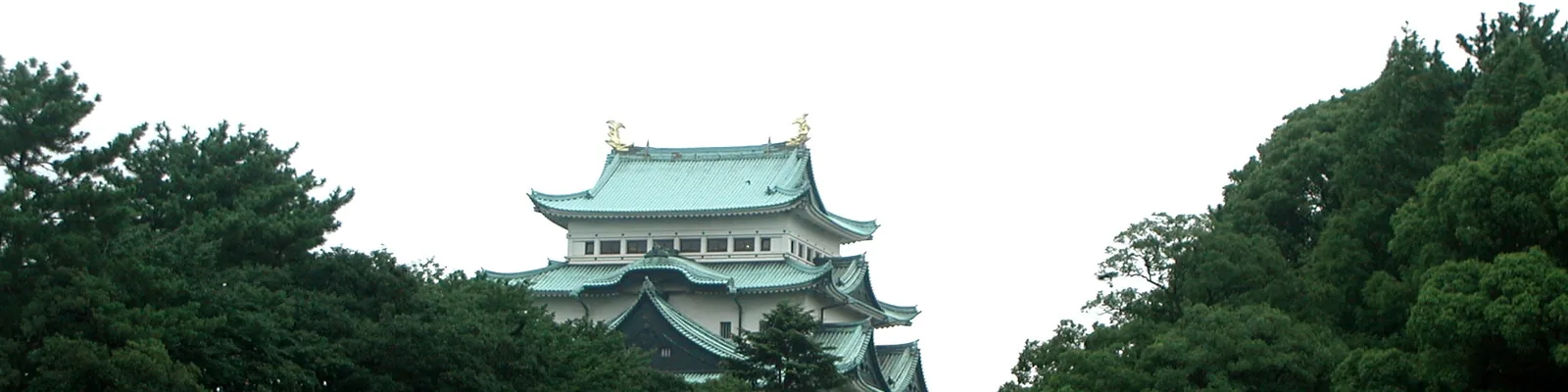
The castle is also not one visit. One admission ticket covers the grounds, the reconstructed Honmaru Palace and the Nishi-no-maru museum, and the palace alone takes an hour. The keep is a post-war concrete reconstruction and has been closed to visitors since 2018, so you see it from the outside. Decide at the gate whether the palace is part of your morning, because that is where the hour goes.
A meal that fits
Nagoya eats differently from the rest of Japan, and the three dishes most often named are all a full meal: miso katsu, a pork cutlet under a thick red miso sauce; hitsumabushi, grilled eel eaten in stages from a lacquered box; and tebasaki, peppery fried chicken wings that are a drinking food rather than a lunch. Choose one and sit down for it. Working through all three in an afternoon is possible and rarely pleasant.
If you have one meal only, make it lunch and make it near the shrine: the Atsuta and Osu route puts it in the middle of the day, which is where it belongs.
Read the Atsuta and Osu route →Arriving by shinkansen takes about 1 hour 40 minutes from Tokyo, about 35 minutes from Kyoto and about 50 minutes from Osaka. Chubu Centrair International Airport is connected to Nagoya Station by the Meitetsu airport line; check current timetables for the day you travel.
Sources & useful checks
Official information checked on 5 November 2026. Follow the operator or venue for changes and your travel dates.