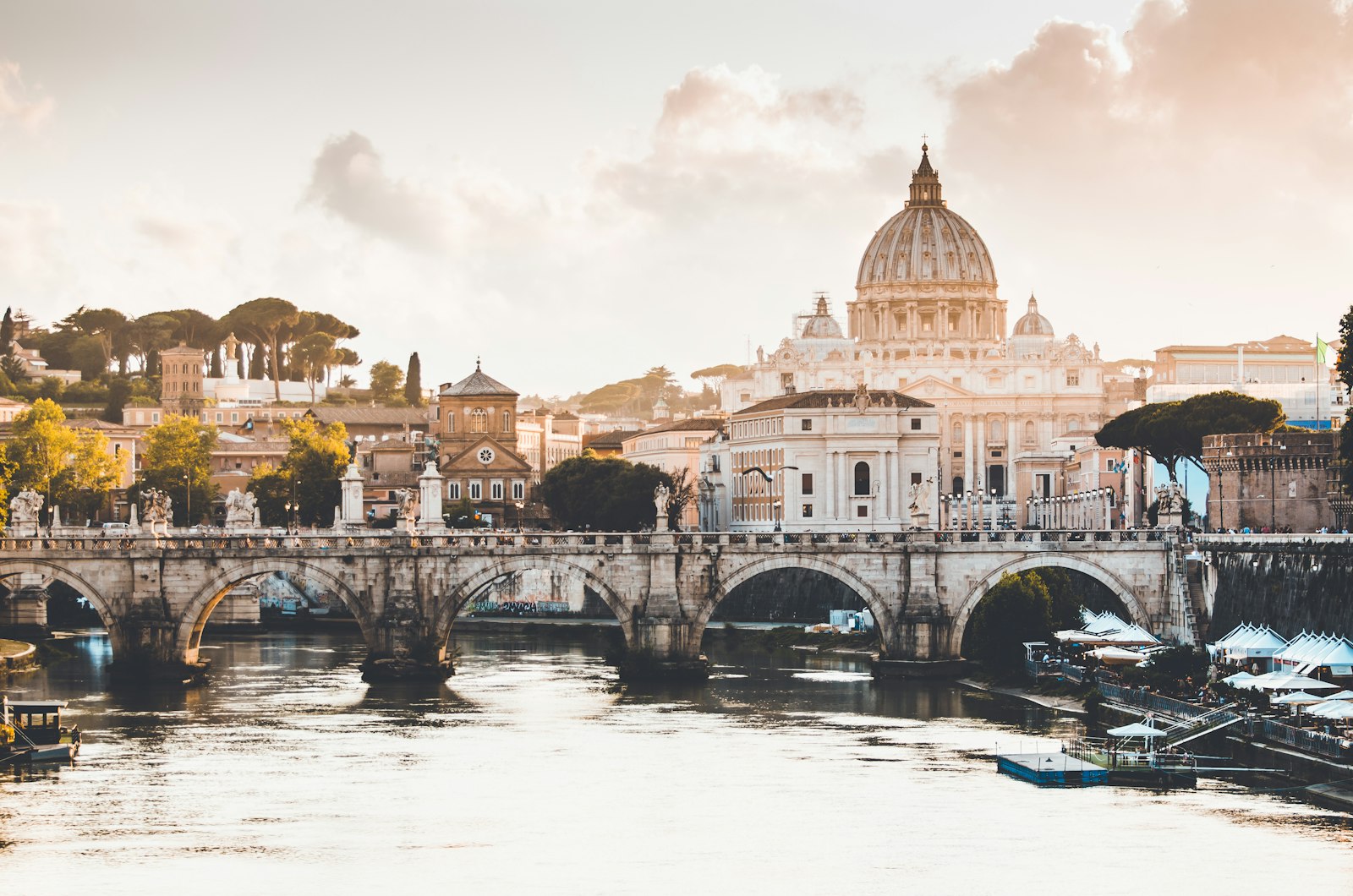
Attraction
Colosseum
Ancient Rome's amphitheater (Flavian Amphitheatre) dominates the archaeological zone east of the Roman Forum. Timed entry is standard—purchase only through offi…
Italy
Layers of history under a living Mediterranean capital
Rome rewards slow pacing—ancient ruins, baroque piazzas, and neighborhood trattorias sit side by side. Heat, cobblestones, and timed-entry sights mean planning by zone (Centro, Vatican, Trastevere) beats crisscrossing the city repeatedly.
Verify before you go: Confirm hours and fares with official sources.
April–May and September–October balance weather and crowds. July–August is hot; many locals leave in August though core sights stay open. Winter is milder and quieter except around holidays.
3–4 days minimum for ancient Rome, Vatican, and wandering centro. Add a day for Borghese Gallery or a hill town excursion.
Walk within zones; cobblestones wear on feet—comfortable shoes matter. Metro lines A and B connect key points but do not cross all centro sights. ATAC buses and trams fill gaps; validate tickets before boarding. Official taxi ranks exist at stations and airports—avoid unlicensed offers. Ride apps operate but narrow streets slow pickups.
Central tourist areas are generally busy and patrolled, but use normal urban caution, especially around Termini and empty side streets.
Compare included sites and your itinerary on the official Roma Pass site—value depends on which tickets you would buy anyway.
Yes in Rome; use nasoni fountains or tap in hotels unless signed otherwise.
Plan Rome
Attraction
Ancient Rome's amphitheater (Flavian Amphitheatre) dominates the archaeological zone east of the Roman Forum. Timed entry is standard—purchase only through offi…
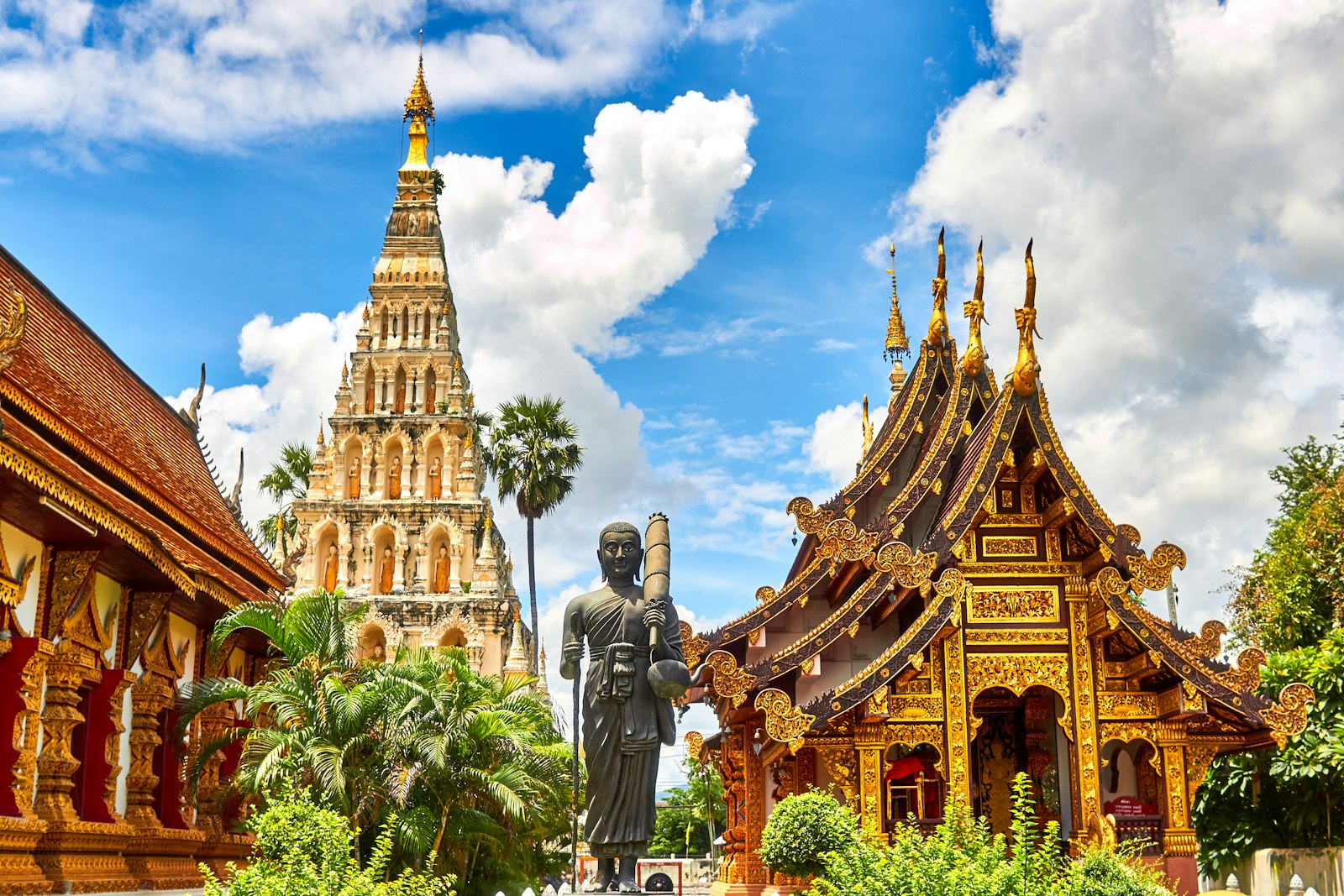
Attraction
Vatican Museums is a high-value stop for most Rome itineraries. Pair it with nearby neighborhoods and confirm tickets or entry rules on official channels before…
Itinerary
Four-day Rome routing that groups Colosseum, Vatican, and neighborhood food without constant taxi reliance.
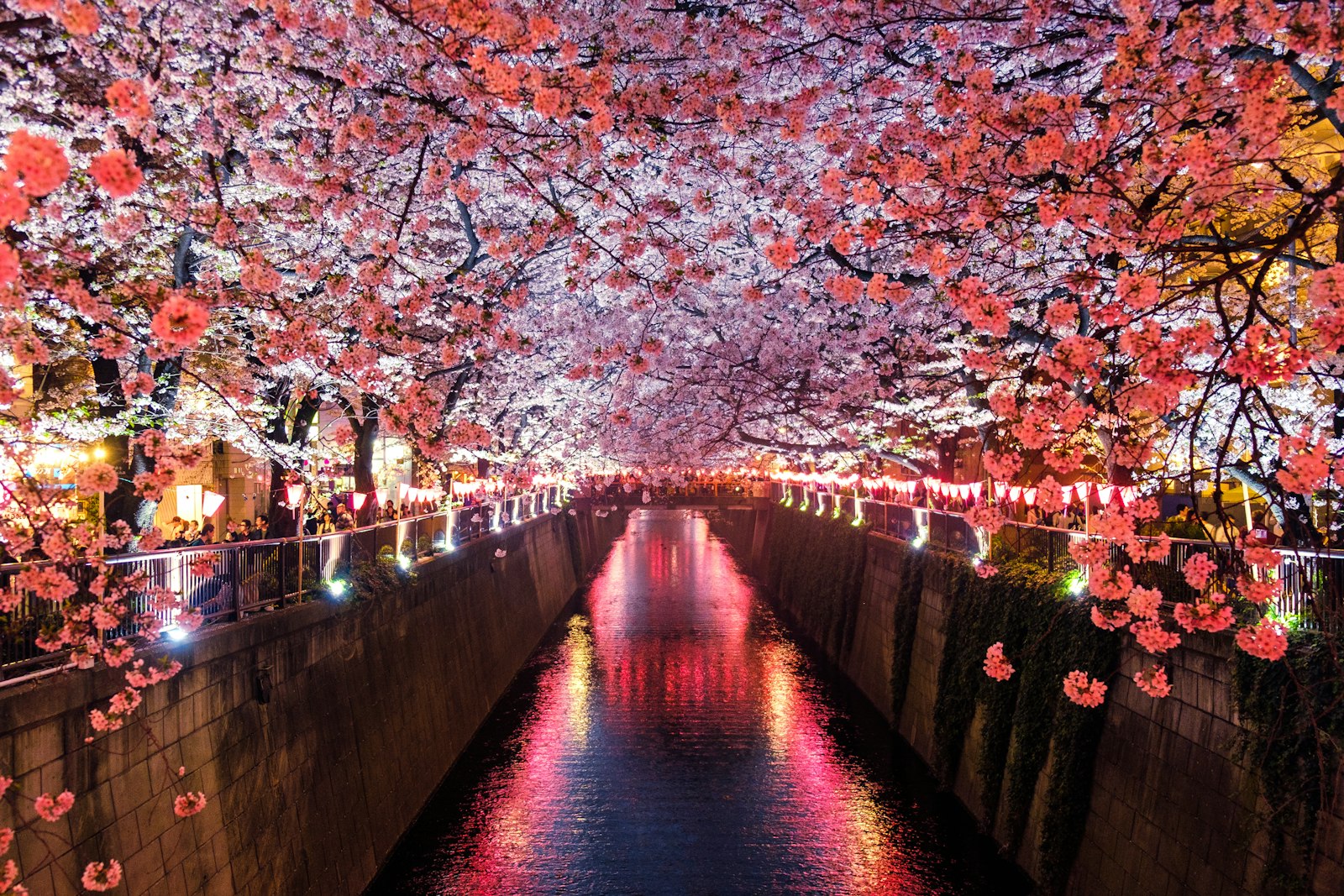
Guide
Season-by-season planning for Rome: crowds, weather patterns, and how to choose travel months without relying on fragile event dates.
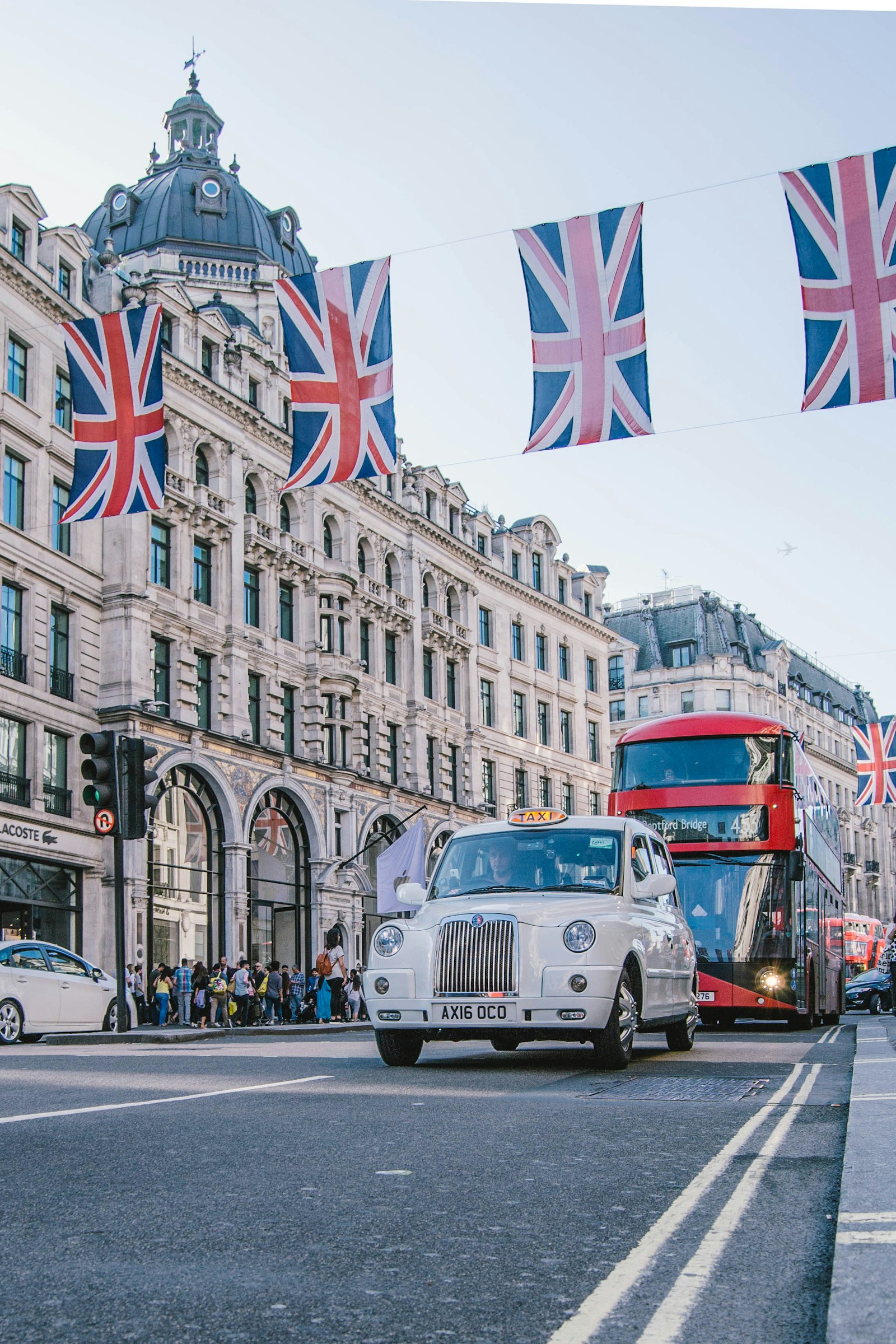
Itinerary
A paced three-day framework for Rome: district clustering, rest blocks, and links to attractions and food stops.
Transportation
How to move from the main airport(s) into Rome: rail, bus, and taxi patterns—with official sources to verify current fares.